
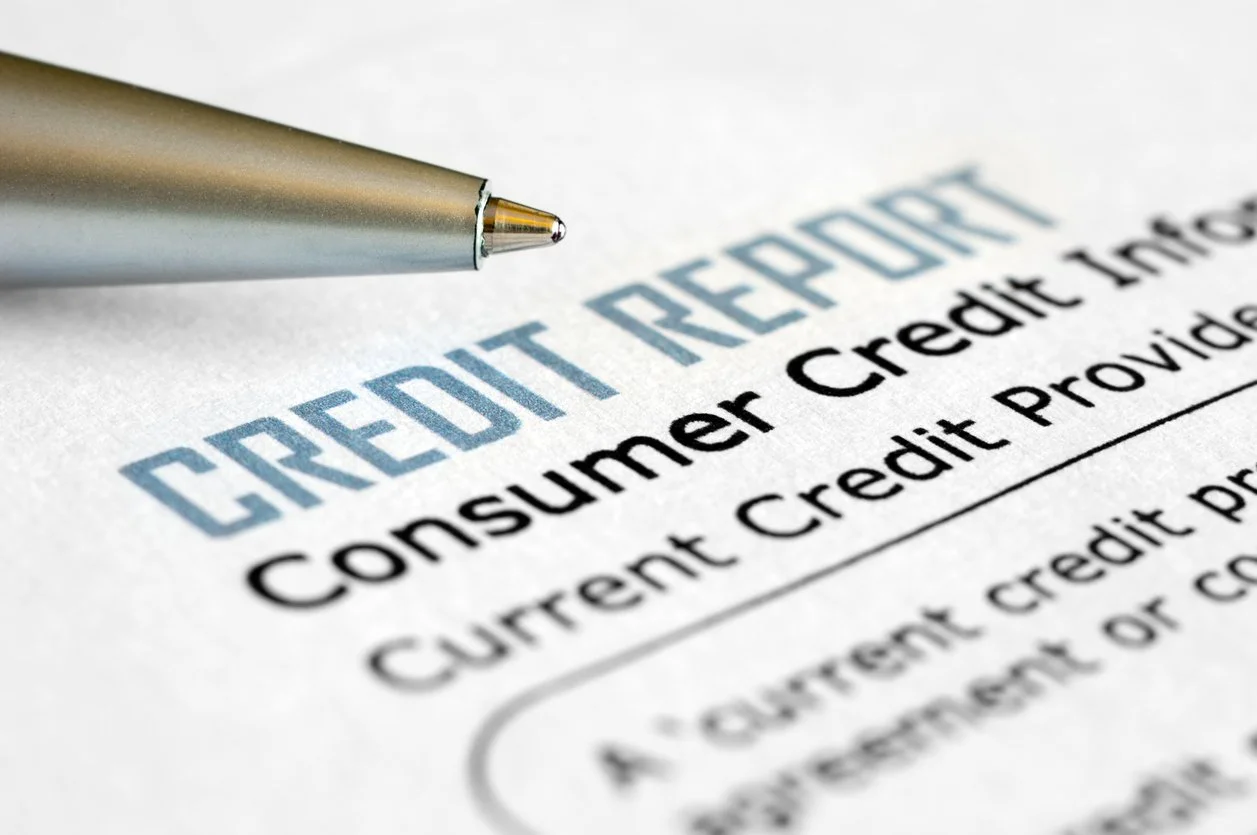
How To Pull Your Credit Reports the Right Way.
Learn how to pull your free credit reports the right way and why reviewing your raw credit data is essential when building, repairing, or restructuring your credit profile.
How to Pull Your Credit Reports the Right Way
Why Raw Data Matters More Than Credit Monitoring Apps
Now that you understand the difference between a credit score and a credit profile, the next step is knowing how to actually see what lenders see.
Most people rely on credit monitoring apps that show a score summary or simplified version of their credit. While those tools can be helpful for general awareness, they do not give you the full picture. If you are serious about building, repairing, or restructuring your credit, you need access to your raw credit reports.
What a Raw Credit Report Is
A raw credit report is the full file that each credit bureau maintains on you. It includes all reported accounts, balances, payment history, inquiries, public records, and personal information exactly as lenders receive it.
This is very different from a credit score snapshot.
Your raw report shows:
• Every open and closed account
• Detailed payment history by month
• Credit limits and balances
• Authorized user accounts
• Inquiries and their dates
• Public records such as bankruptcies
• Personal information tied to your file
If you are trying to improve approvals, correct errors, or plan a credit strategy, this is the data that actually matters.
Where to Pull Your Credit Reports for Free
The only official source to pull your full credit reports is annualcreditreport.com.
This is the federally authorized website that allows you to access reports from:
• Experian
• Equifax
• TransUnion
You can pull your reports once per week for free, which makes it an incredibly powerful tool if you are actively working on your credit.
Many people are surprised to learn this because most apps promote paid subscriptions. The reality is that you do not need to pay to access your raw data.
Why You Should Always Save the PDF
When you pull your reports, always download and save the PDF copies.
This is critical for a few reasons:
• It gives you a snapshot of what is being reported
• It allows you to track changes month over month
• It provides documentation to dispute inaccuracies
• It helps you spot inconsistencies between bureaus
If you are restructuring your credit profile or preparing to dispute items, having saved reports protects you and keeps everything organized.
What to Look for When Reviewing Your Reports
When reviewing your raw credit reports, focus on structure, not just scores.
Pay close attention to:
• How many active credit cards you have
• Whether your utilization is staying under 10 percent
• Any late payments in the last 24 months
• Authorized user accounts and their utilization
• Closed accounts still reporting balances
• Differences between the different bureas
It is very common for information to appear on one bureau and not another. These differences matter more than most people realize.
Why This Step Comes Before Any Strategy
Before applying for new credit, disputing items, or making financial moves, you should always review your raw reports first.
This is how you avoid surprises.
This is how you prevent unnecessary denials.
This is how you build a plan based on facts instead of assumptions.
At Vulcan Finance, this is always the first step. Strategy comes after clarity.
If you do not know exactly what is on your reports, you are flying blind.
You can access your free weekly credit reports directly through our Resources page.

Credit Profile vs. Credit Score: Why Your Profile Matters More Than the Number
Most people focus on their credit score, but lenders look much deeper. Learn why your credit profile matters more than a number and how building the right structure leads to stronger approvals, higher limits, and real financial leverage.
Credit Profile vs. Credit Score: Why Your Profile Matters More Than the Number
When most people think about credit, they think about one thing: their credit score. That three digit number feels like the ultimate gatekeeper to approvals, funding, and financial opportunity. But here is the truth most lenders and credit companies will not explain clearly enough:
Your credit profile matters far more than your credit score.
At Vulcan Finance, we do not help people chase numbers. We help them build bank ready credit profiles that unlock real approvals, higher limits, and long term financial leverage. If you have ever wondered why someone with a lower score gets approved for better cards or loans than someone with a higher score, it usually comes down to the strength and structure of their credit profile.
What a Credit Score Actually Represents
Your credit score is a numerical summary of your credit behavior. It is calculated using several major factors, including your payment history, how much of your available credit you are using, the length of your credit history, the types of accounts you have, and how often you apply for new credit.
Lenders use this score as a quick screening tool. It helps them decide whether you are worth taking a closer look at. But that is all it is. A snapshot. It does not show how your credit is structured, how responsibly you manage multiple accounts, or whether your profile actually fits what that lender is looking for.
Two people can both have a 680 credit score and receive completely different lending outcomes. One might get approved for a 15,000 dollar credit card while the other gets denied. The difference is not the score. It is the profile behind it.
What a Credit Profile Really Is
Your credit profile is the full picture of how your credit is built and managed. It includes the number of accounts you have in your own name, the types of credit you use, your total available credit, how balances are distributed across your accounts, how consistently you pay on time, and whether you have had major negative events like collections, charge offs, or bankruptcies.
It also reflects the age and stability of your accounts, whether you rely heavily on authorized user tradelines, and how lenders perceive your overall financial behavior.
In simple terms, your credit score is a snapshot. Your credit profile is the full movie. And lenders care about the movie.
Why Lenders Care More About Your Credit Profile Than Your Score
When a bank reviews an application, they do not just look at a number and move on. They analyze how your credit is structured and how you actually use it.
They want to know whether you manage multiple accounts responsibly or whether you are dependent on a single card. They look at how much available credit you already have and whether you tend to carry high balances. They consider whether you have handled real credit limits before or only starter level accounts. They evaluate your mix of revolving and installment credit. They check how recent any late payments were and how stable your profile looks over time.
This is why someone with a 680 score and five clean, low balance credit cards can get approved for premium products, while someone with a 720 score and one nearly maxed out card gets declined.
The structure matters more than the number.
The Most Common Credit Myth
One of the biggest misconceptions in personal finance is the idea that once you hit a certain score, usually 700, approvals will magically become easy.
In reality, you can have a high score and still be under profiled, under leveraged, or viewed as high risk. You can still get denied for premium cards, business credit, or real estate loans. You can still receive much lower credit limits than expected.
Why? Because your credit profile is not built in a way that aligns with what lenders actually want to see.
What a Strong Credit Profile Looks Like
A well structured lending profile typically includes multiple active credit cards in your own name, consistently low utilization across all accounts, perfect on time payment history, and a balanced mix of revolving and installment credit.
It also reflects growing total credit limits, stable account ages, and clean reporting across all three credit bureaus. This kind of structure signals to lenders that you can handle money responsibly and at scale, not just in theory.
This is the difference between barely qualifying and being actively sought after by lenders.
Why Chasing Only a Credit Score Backfires
When people focus only on boosting their score, they often make moves that hurt them long term. They open random credit cards without a strategy. They take unnecessary loans. They dispute accurate accounts incorrectly. They use gimmick credit builder apps without understanding how they impact profile structure. They ignore utilization strategy. They apply to the wrong banks too early and rack up unnecessary denials.
All of this damages lender trust, slows progress, and reduces future approval odds.
A strategic approach always focuses on profile structure first and lets the score follow naturally.
How to Start Strengthening Your Credit Profile the Right Way
The most impactful moves usually are not complicated, but they do require intentional structure.
Lowering utilization across every individual account, not just overall, is one of the fastest ways to improve lender perception. Adding more primary accounts in your own name matters more than stacking authorized user tradelines. Balancing revolving and installment credit strengthens your credit mix. Building relationships with the right banks increases approval odds. Following a smart application order prevents wasted inquiries and lost opportunities.
These are the kinds of moves that compound over time and create real financial leverage.
Credit Profile vs. Credit Score: The Bottom Line
Your credit score helps you pass the door.
Your credit profile determines how far you are allowed inside.
If your goal is higher credit limits, real estate funding, business credit, premium card approvals, or long term financial leverage, then your credit profile is what actually moves the needle.
Ready to Build a Credit Profile Banks Say Yes To?
At Vulcan Finance, we specialize in strategic credit consulting, not gimmicks, shortcuts, or one size fits all repair tactics.
We help clients clean negative items, rebuild lender trust, structure strong profiles, lower utilization, choose the right banks, and unlock real funding outcomes.
Start with a complimentary consultation to see what your next best move should be.